
Alcohol Rehabs In Ct
Table of Contents
Understanding Alcohol Rehab Options in Connecticut
When exploring alcohol rehab centers in ct, it is important to understand the range of care available. Connecticut offers several rehabilitation options for alcohol use, including medically supervised detox, residential treatment, and outpatient programs. Licensed facilities in Connecticut must follow state regulations and standards set by the Connecticut State Government, ensuring a baseline of quality and safety for those seeking help.
Some programs provide specialized services tailored to individual needs, such as medical detoxification programs in Connecticut for safe withdrawal management or dual diagnosis treatment New Haven for co-occurring mental health conditions. The right level of care depends on the severity of alcohol use and personal circumstances.
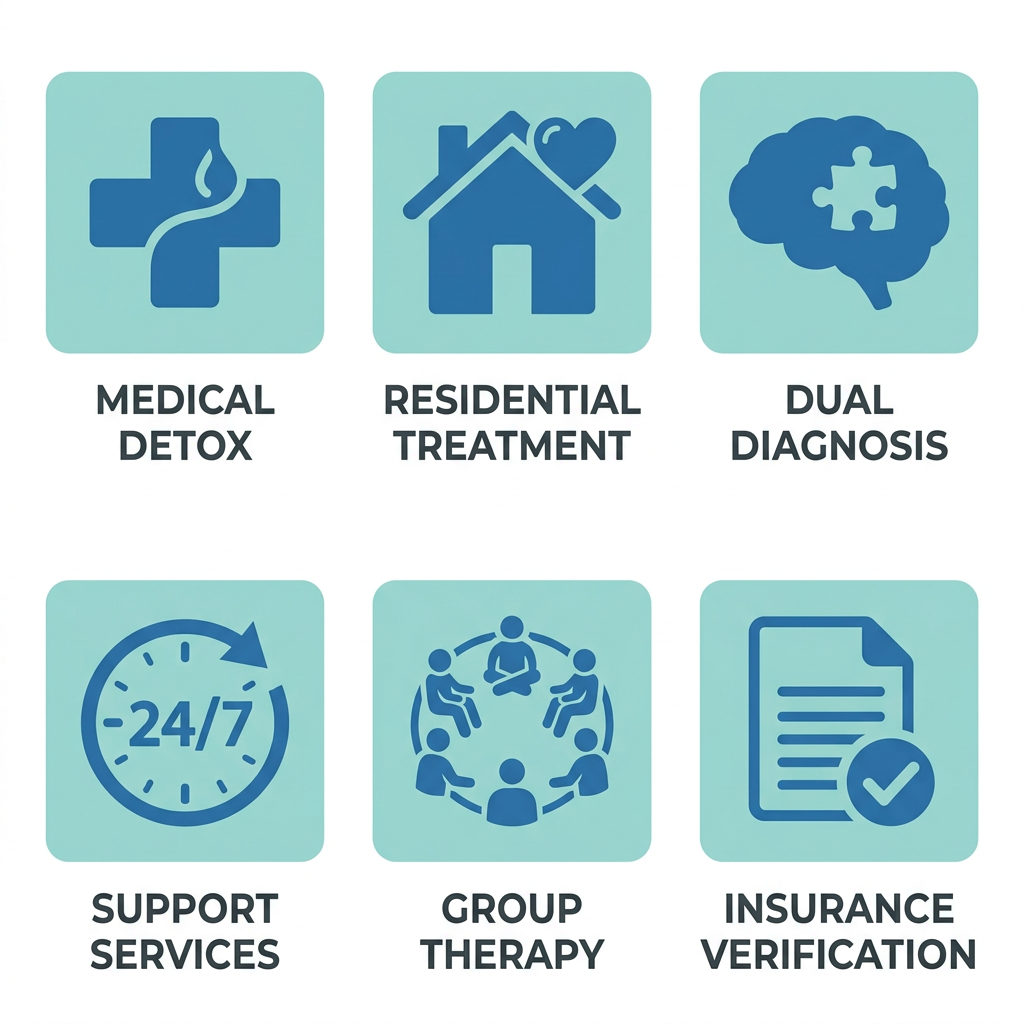
Professional icons for detox, residential care, dual diagnosis, support, therapy, and insurance
Understanding these alcohol treatment programs in Connecticut is the first step toward recovery.
Alcohol Rehab Services Across Connecticut
Across Connecticut, the availability of alcohol rehab services varies by region, shaped by urban density, coastal versus inland geography, and public health infrastructure. For individuals searching for alcohol rehabs in CT, understanding these regional differences is essential to finding appropriate care. As an alcohol addiction treatment center, EMEND New Haven anchors a network of services that reflect the state’s commitment to behavioral health, supported by Connecticut State Government (CT.gov) health data and Substance Abuse and Mental Health Services Administration (SAMHSA) treatment standards. The distribution of medical detoxification programs in Connecticut, residential beds, and dual diagnosis resources follows population centers, with coastal cities like New Haven offering denser service arrays than inland or suburban areas where provider networks are thinner.
Connecticut’s Regional Rehab Landscape
Connecticut’s geography directly influences how residents access alcohol addiction treatment. Urban corridors along the I-91 and I-95 routes concentrate services in New Haven, Hartford, and Bridgeport, where the majority of the state’s medically supervised detox and residential programs operate. In contrast, residents in the Quiet Corner or Litchfield Hills often travel significant distances for care, creating disparities in timely admission. SAMHSA’s national treatment locator data confirms that provider density tracks closely with population density, meaning urban centers serve not only their local populations but also function as regional hubs for surrounding communities. This pattern underscores why individuals evaluating detox programs in CT frequently look to the major cities first when seeking placement.
New Haven vs. Other Major Cities in Connecticut
To illustrate these differences, the table below compares key services in New Haven, Hartford, and Bridgeport. For those seeking a rehab New Haven, the city offers the state’s most concentrated service array, including 24/7 medically supervised detox, an 88-bed residential facility, and integrated dual diagnosis treatment in New Haven that combines trauma-informed therapies such as CBT and DBT within a single clinical setting.
| Service Availability | New Haven | Hartford | Bridgeport |
|---|---|---|---|
| Medically Supervised Detox | Available 24/7 with nursing supervision | Available with limited beds | Available with fewer slotted hours |
| Residential Treatment | 88-bed facility with structured programming | Moderate bed capacity | Limited residential options |
| Dual Diagnosis Care | Integrated trauma-informed therapies (CBT, DBT) | Separate mental health track | Referral-based co-occurring care |
| Insurance Verification | Same-day benefits check with most major payors | Standard verification processing | Self-pay deposit often required |
New Haven’s capacity advantage has practical implications for individuals needing immediate placement. While Hartford offers moderate residential bed availability and Bridgeport provides entry points for care, New Haven’s 88-bed infrastructure and same-day insurance verification reduce barriers that can delay treatment initiation. These operational differences matter most during acute need windows when bed availability and rapid benefits checks determine whether someone enters care or remains on a waiting list. SAMHSA facility standards emphasize that timely access to integrated services improves engagement, and the regional data reflects that New Haven’s service density aligns with those federal guidelines more closely than its peer cities.
Results may vary based on individual patient conditions and circumstances. Please consult with a healthcare professional for diagnosis and personalized treatment recommendations.
Levels of Care in Connecticut Alcohol Rehab Programs
When exploring alcohol rehabs in CT, it is important to understand the different levels of care available. The Connecticut State Government, in partnership with federal guidelines from the Substance Abuse and Mental Health Services Administration (SAMHSA), defines a structured continuum of treatment designed to address the complex nature of alcohol use disorder.
Medical Detoxification Programs in Connecticut
Medical detoxification programs in Connecticut, often the critical first step in recovery, provide a safe and supervised environment for managing alcohol withdrawal. According to SAMHSA’s ASAM criteria, these programs typically last 3 to 7 days and offer 24/7 medical oversight to stabilize a patient physically and emotionally. At facilities like detox connecticut, a dedicated clinical team monitors vital signs and administers medications to alleviate severe withdrawal symptoms, ensuring patient safety. This initial phase is essential for preparing individuals to transition smoothly into the more intensive therapeutic work of residential treatment.
Residential Treatment and Daily Structure
Residential treatment is a key component of alcohol rehabs in CT, providing a highly structured, live-in environment where individuals can focus entirely on their recovery. This level of care, which typically ranges from 30 to 90 days, involves a daily schedule of individual and group therapy, life skills training, and psychoeducational sessions with 24/7 access to support staff. These programs, a cornerstone of care at alcohol rehabilitation centers in ct, remove individuals from triggering environments, allowing them to build a strong foundation for sobriety through evidence-based therapies. The structured routine fosters accountability and teaches the practical coping mechanisms necessary for long-term sustained wellness.
Dual Diagnosis and Co-Occurring Care
For many individuals, effective recovery requires addressing co-occurring mental health conditions alongside alcohol use disorder, a need met by specialized dual diagnosis treatment in New Haven. This integrated care model treats conditions like depression, anxiety, or trauma simultaneously with substance use, employing therapies such as Cognitive Behavioral Therapy (CBT), Dialectical Behavior Therapy (DBT), and trauma-informed care. State licensing bodies and SAMHSA recommend this simultaneous approach because untreated mental health issues can significantly impede recovery. Understanding these levels of care helps individuals choose the right program for their unique needs, as no single path works for everyone.
Disclaimer: The information provided is for educational purposes and is not a substitute for professional medical advice. Results vary based on individual circumstances.
What to Consider When Choosing an Alcohol Rehab in Connecticut
When you are ready to seek help, evaluating alcohol rehabs in ct means looking beyond a facility’s website. The most important factors are usually the financial logistics and the clinical approach, as these directly shape your access to care and the quality of your treatment experience. Asking about these areas early helps you make a confident, informed decision.
Insurance Coverage and Financial Considerations
Before admission, verify how your plan applies to treatment. Call your insurer or ask the facility to run a benefits check so you understand in-network versus out-of-network coverage, deductibles, and copays. Many Connecticut providers offer free insurance verification, which clarifies whether services like medical detoxification programs in Connecticut are covered under your plan. Having this information upfront prevents unexpected bills and keeps the focus on recovery.
Evidence-Based Therapies in New Haven Rehab Centers
The strongest programs combine therapy methods that research supports. In New Haven, effective dual diagnosis treatment addresses alcohol addiction and co-occurring mental health conditions together, which is critical for lasting recovery. Therapies such as Cognitive Behavioral Therapy (CBT), Dialectical Behavior Therapy (DBT), and trauma-informed care help patients develop coping skills while processing underlying pain. According to the Connecticut State Government (CT.gov), licensed rehab facilities must meet specific operational standards. The Substance Abuse and Mental Health Services Administration (SAMHSA) also publishes national guidelines for evidence-based practices, so choosing a program aligned with both frameworks offers an added layer of confidence. Results vary by individual, and it is wise to consult a healthcare professional for personalized guidance.
Steps to Start Alcohol Rehab in New Haven
After understanding what alcohol rehab involves, the next step is knowing exactly how to begin. For individuals researching alcohol rehabs in CT, the admissions process at EMEND New Haven is designed to be straightforward, free, and completely confidential. All information you share is protected under federal privacy regulations, including HIPAA and SAMHSA’s 42 CFR Part 2, as outlined by the Substance Abuse and Mental Health Services Administration (SAMHSA). This means your personal health details remain secure from the very first call. The process typically initiates with a phone conversation and moves through verification and a clinical assessment, all managed by a team of dedicated admissions specialists who coordinate your path to care.
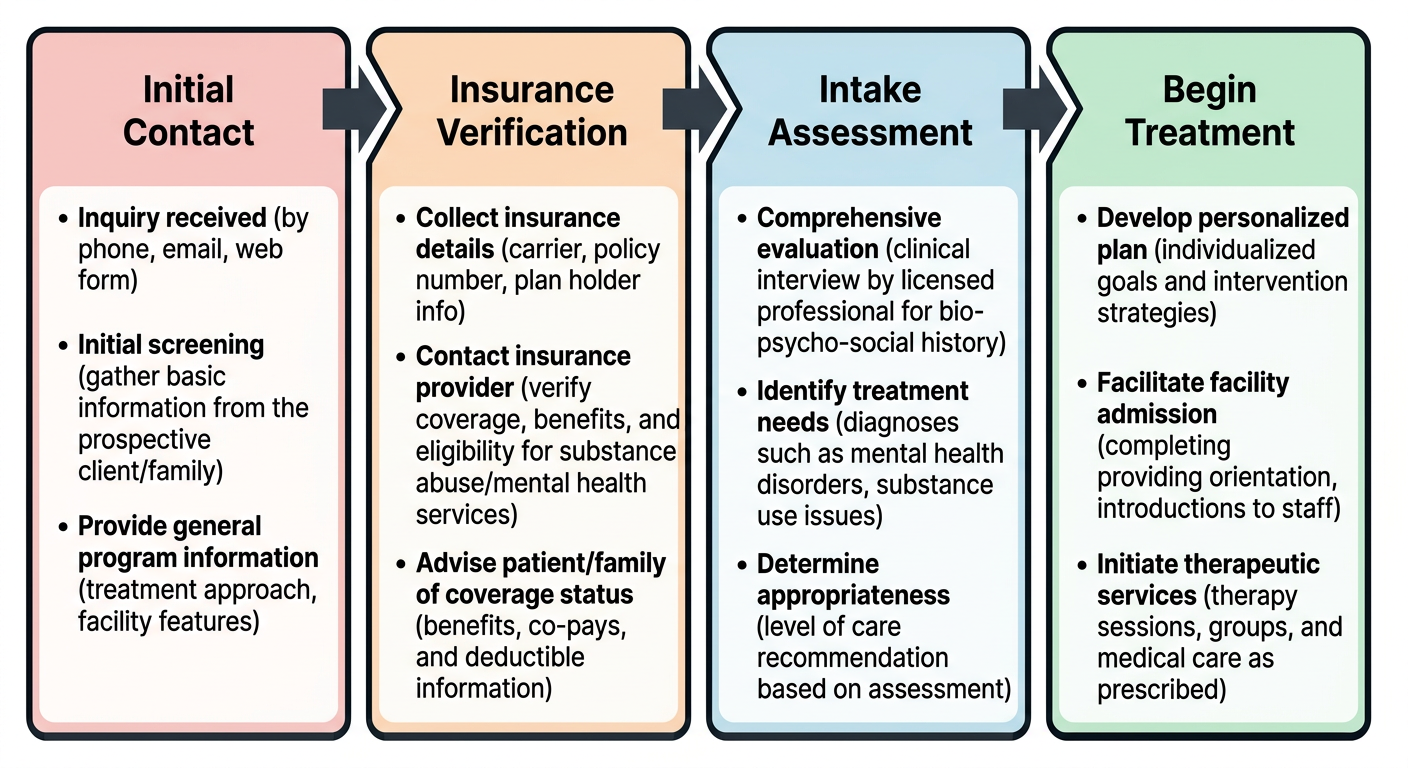
Four-step admissions process for alcohol rehab in New Haven
How to Begin the Admissions Process in New Haven
Getting started is simple and without any commitment. Your initial step is a direct call to the admissions team at EMEND New Haven, where you will speak confidentially with an admission specialist. During this conversation, the specialist will gently ask for some basic personal information, a brief history of substance use, and your insurance details to guide the next steps. This exchange is not a formal clinical evaluation but a supportive conversation to understand your situation. The entire call is aimed at making you feel comfortable and informed, ensuring you know what to expect as you explore treatment options.
Benefits Verification and Insurance Coordination
Once the initial conversation is complete, the admissions team promptly moves to the verification stage. They will contact your insurance provider directly to confirm your specific coverage for behavioral health services in Connecticut, clarifying in-network and out-of-network benefits for care. This step removes the financial guesswork, allowing you to focus entirely on your well-being. Following verification, a medical or clinical professional will conduct a more thorough intake assessment, either by phone or in person, to determine the most appropriate level of care, whether that is medical detoxification, residential treatment, or another clinical pathway. Facility admission timing depends on bed availability and the outcome of this detailed assessment. Once your benefits are verified and the assessment is complete, the treatment team will guide you directly into the next stage of your personalized recovery plan.
Taking the Next Step Toward Recovery
Taking the first step toward treatment takes courage, and that choice begins a new chapter. If you are ready to talk, the new haven residential treatment center at EMEND New Haven is here to listen and help. Our admissions team is available to provide a free, confidential consultation and verify your insurance benefits. Recovery is possible, and hope is real. We’re here to guide you. Call us today to get started.