
Detox Center New Haven
Table of Contents
Understanding Medically Supervised Detox in New Haven
The first step toward recovery is medically supervised detoxification, a 24/7 process staffed by nurses and medical professionals who monitor and manage withdrawal symptoms. For those seeking a medical detox New Haven facilities provide, this level of care ensures that the body clears substances safely while the individual remains as comfortable as possible.
Detox is particularly critical when withdrawing from alcohol, benzodiazepines, or opioids, all of which can produce severe and potentially life-threatening symptoms without proper medical oversight. A medically supervised alcohol detox program provides around-the-clock monitoring, vital sign checks, and comfort measures that help stabilize the person physically and emotionally. Connecticut residents can access this essential first phase of care through a substance detox CT program that takes place in a residential setting rather than a hospital. Staff intervene quickly if complications or cravings arise.
At EMEND New Haven, the goal of detox is not only to manage withdrawal safely and comfortably but to prepare each patient for the next level of care. Once stabilized, individuals transition into residential dual diagnosis treatment where they address both substance use and any co-occurring mental health conditions in a structured, supportive environment.
What Is Medically Supervised Detox?
Medically supervised detoxification is a structured, clinically managed process that helps individuals safely withdraw from substances under round-the-clock medical care. Unlike an unsupervised home quit attempt, a stay in a licensed detox center in New Haven provides constant nursing and physician oversight to monitor vital signs, manage withdrawal symptoms, and intervene before complications escalate. The approach follows the American Society of Addiction Medicine (ASAM) criteria, a nationally recognized framework that matches each patient to the right level of withdrawal management based on the severity of their substance use, co-occurring medical conditions, and psychosocial needs.
The Fundamentals of Medically Supervised Detox
At its core, medically supervised detox takes place in a clinical setting staffed by medical professionals rather than in an unmonitored environment. Physicians, registered nurses, and licensed clinicians work together to keep patients stable while substances clear the body. According to the ASAM levels of care, this model corresponds to Level IV (medically managed intensive inpatient detox) or Level III.7 (medically monitored inpatient detox), both of which require 24-hour nursing availability and on-call physician coverage. Continuous observation allows staff to respond immediately to dangerous shifts in heart rate, blood pressure, or mental status–symptoms that often make solo withdrawal attempts unsafe. Emotional support is built into the process, with staff members helping patients manage the anxiety and distress that frequently accompany early sobriety. The goal is not a standalone cure but a foundation for the next phase of treatment.
Medications and Withdrawal Management
Pharmacological support is the cornerstone of a medically supervised alcohol detox. Providers commonly use benzodiazepines such as lorazepam or diazepam during the acute phase of alcohol withdrawal because these medications reduce excitation in the central nervous system, preventing seizures and calming autonomic hyperactivity. The Clinical Institute Withdrawal Assessment for Alcohol (CIWA-Ar) is used at the bedside to score tremor, agitation, headache, and other symptoms, and the resulting score directly informs how much medication a patient receives at each dosing interval. Symptom-triggered therapy avoids under-medication and over-sedation alike, keeping patients comfortable while minimizing risk. Nursing teams document vital signs and CIWA-Ar scores throughout each shift, and physicians adjust standing orders based on the patient’s trajectory. This data-driven approach is why a medically supervised program achieves safer outcomes than a non-medical quit attempt.
Detox Protocols for Different Substances
Medical protocols shift depending on the substance, and clinicians at EMEND New Haven tailor withdrawal plans using evidence-based medication algorithms and the ASAM criteria. For opioid withdrawal, medications like buprenorphine/naloxone (Suboxone) or methadone are introduced to suppress cravings and reduce the gastrointestinal distress, muscle aches, and insomnia that define opioid withdrawal syndrome. Patients are typically inducted onto these medications under direct observation, and doses are adjusted daily until the patient is stable and ready to transition to ongoing residential care at our facility offering residential treatment ct.
Benzodiazepine detox requires a gradual taper using longer-acting agents such as chlordiazepoxide, which allows the body to adjust slowly and avoids the dangerous rebound excitation that can trigger seizures. The pace of the taper is dictated by ongoing clinical assessment and may extend beyond the typical 3-7 days seen with alcohol detox. Throughout this process, staff screen for co-occurring mental health conditions because many individuals withdrawing from benzodiazepines, opioids, or stimulants also present with anxiety, depression, or trauma-related disorders. When those conditions are identified, the clinical team coordinates access to dual diagnosis treatment ct as part of a longer-term recovery plan.
For all substances, standardized instruments such as the CIWA-Ar for alcohol and the Clinical Opiate Withdrawal Scale for opioids ensure objective, reproducible decision-making. Length of stay varies by substance and individual presentation: alcohol detox typically resolves within 3-7 days, while benzodiazepine tapers require a more extended timeline. Throughout the stay, case managers begin aftercare coordination so that stabilization in a detox center in New Haven serves as the critical first step that flows naturally into comprehensive residential care.
Results may vary based on individual patient conditions and circumstances.
Benefits of Choosing Medically Supervised Detox at EMEND New Haven
Choosing a detox center in New Haven is a critical first step toward reclaiming your life from substance use. At EMEND New Haven, we provide three key benefits that set our detox program apart. Our approach prioritizes safety, comfort, and a clear pathway to comprehensive treatment, ensuring that your initial days of recovery are managed with professional expertise and genuine compassion.
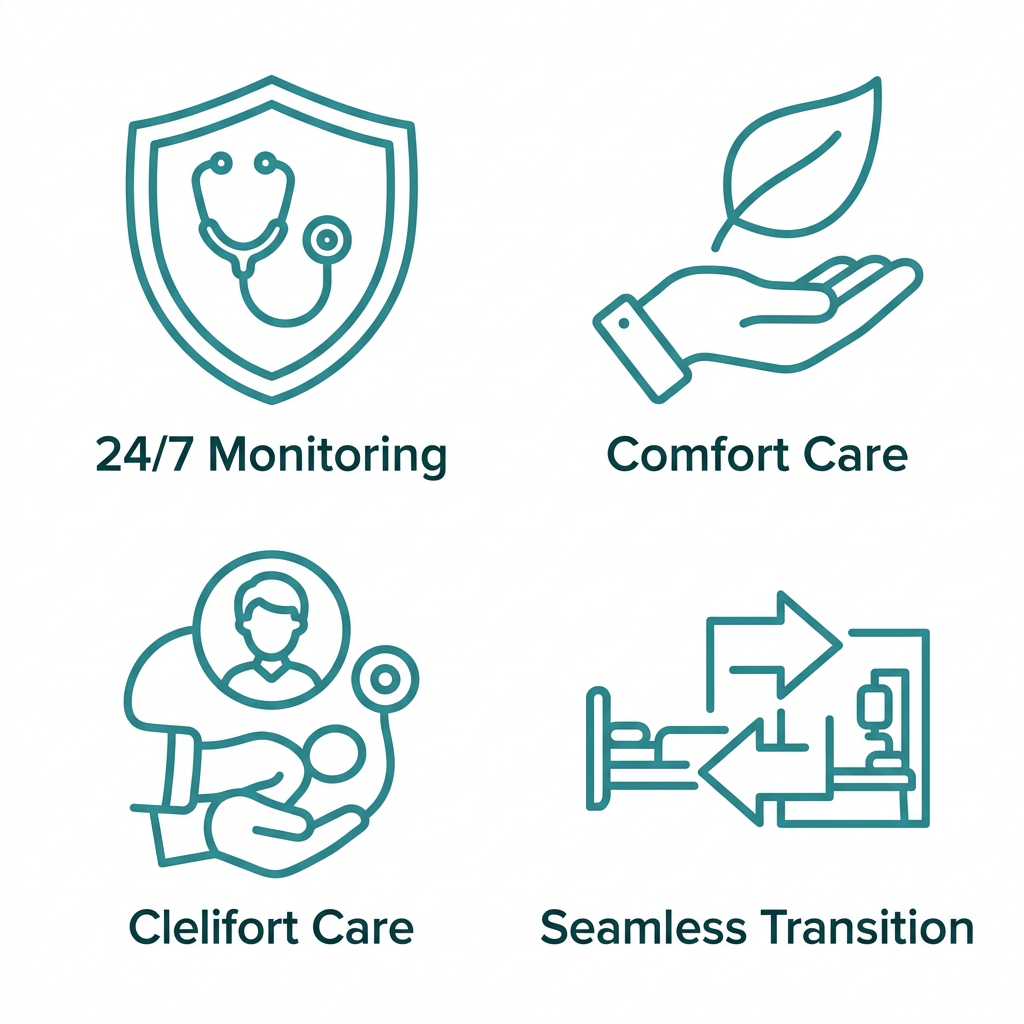
Three key benefits of medically supervised detox at EMEND New Haven
For many, the fear of withdrawal symptoms is the largest barrier to seeking help. Our program directly addresses this concern, turning a potentially frightening experience into a manageable and hopeful one. We combine evidence-based medical protocols with a nurturing environment to stabilize your health and prepare you for the therapeutic work ahead.
24/7 Medical Monitoring for Enhanced Safety
The cornerstone of our program is the continuous medical supervision provided in our medical detox new haven unit. Withdrawal from substances like alcohol can lead to life-threatening complications, including seizures and delirium tremens, while opioid withdrawal can cause severe dehydration. With nurses present around the clock, any shift in your vital signs is detected and addressed immediately, preventing crises before they escalate.
This vigilant oversight, aligned with the best practices outlined by the Substance Abuse and Mental Health Services Administration (SAMHSA), the nation’s leading authority on treatment guidelines, means you never have to face the unpredictable nature of withdrawal alone. Our medical team has the training and resources to intervene swiftly, making a supervised setting far safer than attempting to detox at home. This foundation of safety allows you to focus entirely on getting well.
Expert Symptom Management and Comfort Care
Beyond simple monitoring, our clinical team actively manages the discomfort of withdrawal through expert symptom management. For individuals undergoing medically supervised alcohol detox, this often involves administering specific comfort medications according to established protocols to calm the nervous system and ease symptoms like anxiety and tremors. This pharmaceutical support, combined with consistent hydration and nutritional care, helps stabilize your body after a period of depletion.
Our substance detox ct program is designed to create a more tolerable and humane detox experience. By reducing the physical and psychological distress of withdrawal, our nursing staff helps you preserve your strength. This approach acknowledges that a comfortable patient is better able to rest, heal, and build the trust necessary for a long-term commitment to a residential dual diagnosis treatment plan.
Seamless Transition to Residential Dual Diagnosis Care
Detoxification is an essential medical process, but it is only the beginning of the recovery journey. At EMEND New Haven, we view our detox program as the crucial gateway to comprehensive healing. Once you are medically stable, you will receive a warm handoff to our residential clinical team, creating a seamless transition into deeper therapeutic work. This continuity ensures there is no gap in your care during a vulnerable period, directly reducing the risk of early relapse.
This integrated pathway means the insights gained during detox about your specific needs immediately inform your subsequent treatment, including individual and group therapy. By starting with a strong medical foundation and continuing into a structured therapeutic environment, you build momentum toward sustained well-being. These benefits lay the groundwork for a full continuum of care, connecting you to a supportive community and the skills needed for lasting recovery.
How Detox Works at EMEND New Haven
Beginning the recovery journey at a detox center in New Haven can feel like a significant step, and understanding exactly what to expect helps reduce uncertainty. At EMEND New Haven, medical detoxification is the essential first phase of treatment, providing 24/7 medical supervision in a structured and compassionate environment. Our 88-bed facility is designed to ensure patient safety and comfort from the moment of admission, following evidence-based protocols aligned with the national standards set by the Substance Abuse and Mental Health Services Administration (SAMHSA). The clinical team works to stabilize each patient medically and emotionally, preparing them for the therapeutic work that follows, a process that looks different for everyone but always starts with a thorough evaluation.
Step-by-Step Detox Process: From Admission to Stabilization
The path to stabilization begins the moment a patient arrives at our facility. The first step is a comprehensive medical evaluation conducted by a registered nursing team, which includes a physical exam and often blood work to assess overall health and current substance levels. This clinical snapshot, along with intake paperwork completed in a private setting, allows the medical team to immediately address any acute needs and begin formulating a personalized withdrawal management strategy. Following assessment, patients are assigned to their room as the team initiates 24/7 monitoring, frequently assessing vital signs and symptom progression to ensure safety and comfort.
With medical oversight in place, the stabilization phase focuses intently on managing withdrawal symptoms through physician-directed medication protocols. Comfort is a top priority, so care also integrates nutritional support and hydration to help the body begin its healing process. Throughout this time, patients are introduced to their clinical team, including therapists and case managers, who will support them in early therapeutic engagement. This foundation is intentionally designed so that as the patient’s physical health stabilizes, the clinical team begins to prepare for the next phase, a seamless transition into residential treatment ct. This collaborative handoff ensures that once withdrawal is safely managed, the patient can immediately begin the deeper therapeutic work of residential care without disruption.
How Long Does Detox Last? Typical Timeline at EMEND New Haven
The duration of a detox stay is rarely uniform, though a general timeline at a medical detox in New Haven typically ranges from 5 to 10 days. This window is not a fixed rule; rather, it is influenced by a number of highly personal medical factors. The specific type of substance used is a primary driver, as withdrawal from alcohol or benzodiazepines can present a more prolonged and medically complex trajectory than uncomplicated opioid withdrawal. For those undergoing a medically supervised alcohol detox, the protocol is carefully titrated to prevent dangerous complications like seizures or delirium tremens, often extending the monitoring period.
Beyond the substance itself, medical staff conducting daily reassessments consider the length and severity of use, the typical dosage, and the patient’s baseline physical health. Furthermore, the presence of co-occurring mental health conditions can influence the timeline, requiring a careful and integrated approach. Because we offer dual diagnosis treatment ct, the clinical team evaluates psychological symptoms alongside physical ones from day one, adjusting the care plan to address anxiety or mood disturbances as they emerge during withdrawal and potentially extending the stabilization period.
Visitor and Cell Phone Policies During Detox
During the early stages of medical stabilization, visitor policies are typically restricted to maintain a quiet, therapeutic environment and protect patient privacy. This approach minimizes external stressors and allows the clinical team to focus without distraction on managing the acute medical needs of each individual. The rationale for limiting outside contact is explained upon admission, as the priority is creating a contained space where healing can begin without interference.
Similarly, cell phone use is usually limited or prohibited initially to help patients disconnect from outside pressures and fully engage with their immediate recovery environment. Removing potential triggers and distractions supports emotional stabilization and fosters a deeper focus on the medical and therapeutic process. These policies are not disciplinary but are deeply rooted in patient safety and clinical best practices, as defined by professional standards like the American Society of Addiction Medicine (ASAM) criteria. They are communicated with transparency during intake, ensuring each individual understands these supportive measures are in place solely for their wellbeing.
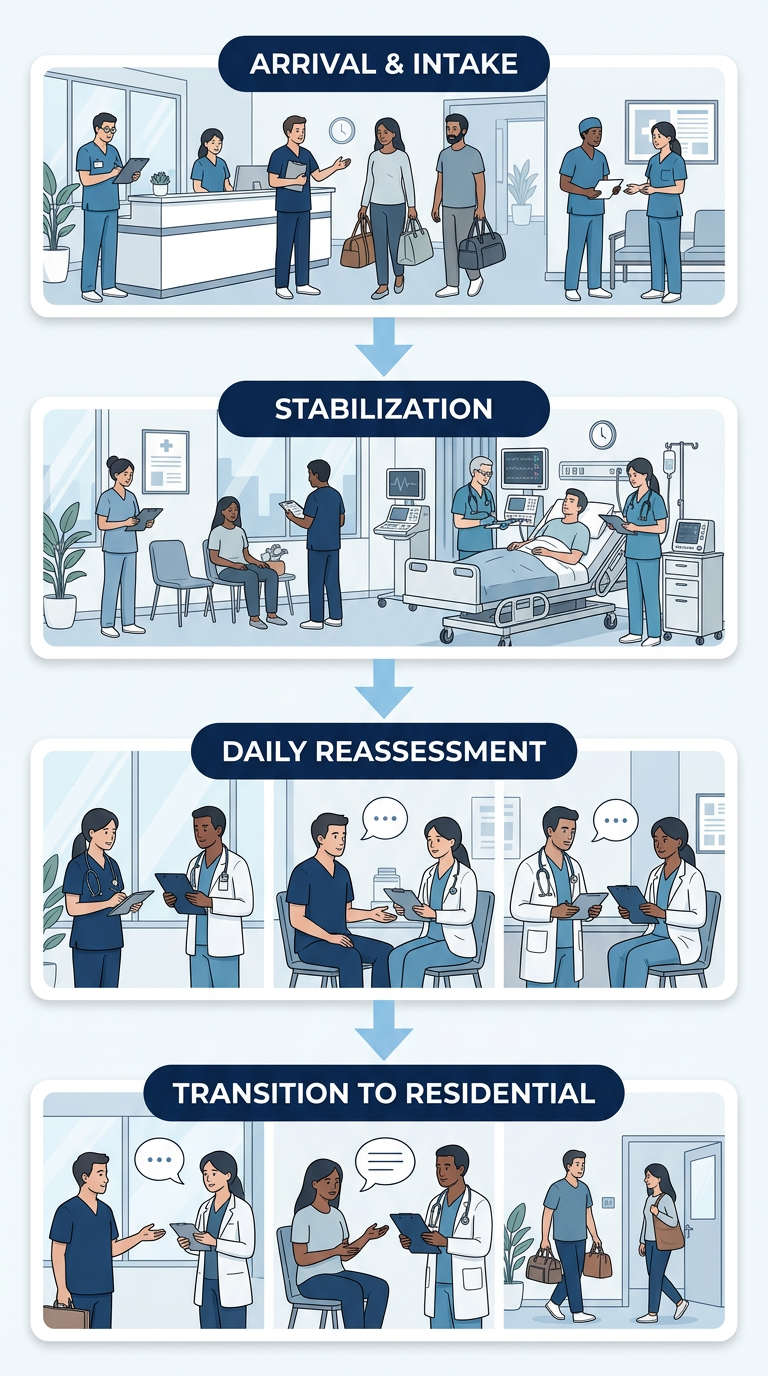
EMEND New Haven detox journey visualization
Insurance and Admissions for Detox in New Haven
Now that you have a clearer picture of what the detoxification process involves, the next essential step is understanding how to access and pay for this lifesaving care. Navigating the financial and administrative side of treatment can feel overwhelming, but the admissions team at a reputable detox center New Haven trusts is here to guide you through it. At EMEND New Haven, the priority is your recovery, and that starts with making the insurance verification and admissions process as straightforward as possible, so you can focus entirely on what matters most: your health and well-being.
Insurance Verification and Benefits: What You Need to Know
Taking the first step toward medical detox New Haven professionals provide often begins with a simple, confidential phone conversation. When you speak with an admissions coordinator at EMEND New Haven, their first action is to contact your insurance provider to verify your behavioral health benefits. This is a standard process where they will determine the specifics of your coverage for a medical detox program, including understanding any estimated copays, deductibles, or other out-of-pocket expenses you might be responsible for. The goal is to provide complete clarity so there are no financial surprises.
This detoxification facility works with most major insurance payors to ensure that as many people as possible can access high-quality care. Commonly accepted payors include major national providers such as Aetna, Cigna, Blue Cross Blue Shield, and UnitedHealthcare. It is important to remember that while the team works diligently to secure coverage, EMEND New Haven cannot guarantee any specific outcome, as results vary significantly based on your individual plan’s specific contractual details. The Substance Abuse and Mental Health Services Administration (SAMHSA) sets important federal standards for treatment access, and EMEND’s verification process aligns with these guidelines to ensure a transparent and patient-focused approach.
Getting Started: The Admissions Process at EMEND New Haven
Beginning your journey with substance detox CT residents rely on is designed to be efficient and supportive. After your insurance benefits are verified, the admissions team will guide you through what to bring and when to arrive, ensuring you feel prepared and at ease. To streamline your admission to a medically supervised alcohol detox program, you should plan to bring a few essential items: a current photo ID, your health insurance card, a complete list of any medications you’re currently taking, and any relevant medical records you have access to. Having these documents ready helps the clinical team create your personalized treatment plan without delay.
The typical timeline from your initial contact to admission is remarkably quick. Your first call, where you’ll discuss your needs and history, usually lasts about 15 to 20 minutes. The insurance check is often completed on the same day. If a bed is available and you are medically appropriate for admission, you can typically be admitted within 24 to 48 hours. The admissions team is also the point of contact for self-pay options or sliding-scale fee discussions if you are uninsured, ensuring financial barriers do not stand in the way of accessing alcohol detox or dual diagnosis care.
Common Insurance Questions for Detox Admissions
Navigating insurance for addiction treatment can bring up many questions. One of the most common concerns is simply, “What if my insurance denies coverage?” If a denial occurs, don’t lose hope. The admissions coordinators at EMEND New Haven can explore several avenues on your behalf, such as appealing the decision, investigating alternative coverage options through your plan, discussing manageable private payment plans, or connecting you with community resources that may provide financial assistance. The team acts as your advocate during every step of the financial conversation.
Another frequent question involves the transition to longer-term care, such as when an individual needs to step down from detox into a structured environment. Following your initial treatment in a residential dual diagnosis treatment setting, the next phase often involves continuing that integrative care in residential treatment CT facilities offer. At EMEND, the clinical team works with patients to determine the appropriate level of care, and the admissions staff can verify benefits and coordinate the next steps for programs that address co-occurring mental health and substance use disorders simultaneously, creating a seamless continuum of recovery support.
Your Path to Lasting Recovery at EMEND New Haven
With a foundation in evidence-based care, your path to lasting recovery begins in New Haven, where structured support and clinical expertise come together. A medically supervised alcohol detox provides the initial stabilization needed before deeper therapeutic work can begin, meeting you exactly where you are in the healing process.
EMEND New Haven aligns treatment with the core principles of the ASAM Criteria, ensuring each level of care matches your personal clinical needs. The American Society of Addiction Medicine framework evaluates multiple dimensions of health to shape residential dual diagnosis treatment that integrates behavioral therapies and medical oversight for sustainable progress.
Continued connection makes all the difference after residential programming ends. The alumni program ct offers peer-led gatherings and recovery events that reinforce the coping skills built during active treatment, while behavioral health ct services remain accessible for therapy, group sessions, and aftercare planning. This community of support walks beside you well beyond discharge. Results vary and treatment success depends on the individual; no recovery journey is identical, and your path will reflect your unique strengths, challenges, and goals.
Discover how our compassionate team supports you every step of the way. Contact our admissions team to learn more or begin insurance verification today. Please consult with a healthcare professional for personalized treatment recommendations.