
Detox Centers Connecticut
Table of Contents
Understanding Medically Supervised Detox in Connecticut
Medically supervised detox is a structured, 24/7 medically monitored withdrawal management process designed to safely manage the acute physical symptoms of substance dependence. For those seeking detox centers connecticut, this level of care provides a critical first step in the recovery journey, offering immediate intervention to reduce the risks of severe withdrawal complications such as seizures, dehydration, and delirium tremens.
In Connecticut, detox facilities are licensed and regulated by the Connecticut Department of Mental Health and Addiction Services (DMHAS), which ensures adherence to strict state standards. For residents of New Haven, a Detox Center New Haven provides 24/7 medical monitoring and coordinated clinical care. These programs follow nationally recognized guidelines, such as The ASAM Criteria from the American Society of Addiction Medicine (ASAM), to determine the appropriate level of care. This framework guides whether a person requires the intensive structure of medical detox connecticut in an inpatient setting or if a less restrictive outpatient program is clinically appropriate based on their substance use, severity of symptoms, and medical history.
It is important to understand that detoxification under medical care is not a standalone cure for addiction. A medically supervised stay at an inpatient drug detox ct facility must be followed by comprehensive residential or outpatient treatment to address the underlying psychological and behavioral aspects of substance use. Many local New Haven Drug Treatment programs combine detox with therapy, counseling, and aftercare planning. This continuum of care is essential for building a foundation for sustained, long-term recovery.
Disclaimer: Results may vary based on individual patient conditions and circumstances. Information on this site is for educational purposes and is not a substitute for professional medical advice.
What Is Medical Detox and Why It Matters
Medical detox is a medically supervised process that allows patients to withdraw from substances safely, with 24/7 nursing care and medication support. To understand the full picture, let’s break down what medical detox actually involves. When someone physically dependent on alcohol, opioids, or benzodiazepines stops using, the body’s reaction can be severe and unpredictable. Without medical supervision, withdrawal from these substances can lead to life-threatening complications such as seizures, delirium tremens, or severe dehydration. For residents seeking medical detox program new haven, this level of professional care represents the critical first step in a safe, structured recovery journey. In Connecticut, finding the right level of support through detox centers in CT means understanding the medical, emotional, and psychological components that comprehensive withdrawal management provides. For local services, consider the detox program emend new haven.
What Medical Detox Includes
A professionally managed detoxification program combines several core components to stabilize patients physically and emotionally. Continuous 24/7 nursing observation remains the foundation, with vital sign monitoring typically occurring every 2-4 hours to catch dangerous shifts early. Medication management forms the next essential layer; clinicians commonly administer benzodiazepines to control alcohol withdrawal symptoms and prevent seizures, while methadone or buprenorphine help ease opioid withdrawal and reduce cravings.
Psychological support from licensed counselors rounds out the clinical picture, helping patients navigate the intense anxiety, fear, and emotional volatility that frequently accompany early withdrawal. According to the Substance Abuse and Mental Health Services Administration (SAMHSA), this integrated approach significantly reduces the risk of severe outcomes like delirium tremens and cardiac instability. In a medically supervised detox in Connecticut, patients have access to this proven blend of medical oversight and therapeutic engagement, including detox program emend new haven. The goal is never to eliminate all discomfort–withdrawal is physically demanding–but to make it manageable and safe, which is the hallmark of a detox program emend new haven and similar programs in the New Haven area.
Inpatient vs. Outpatient Medical Detox
The choice between inpatient and outpatient detox hinges on a careful clinical assessment. The American Society of Addiction Medicine (ASAM) provides a widely accepted framework that guides this decision, and medical detox in Connecticut follows these evidence-based criteria.
- Level I (Outpatient): Suitable for patients with mild withdrawal risk, stable medical status, and strong support at home.
- Level II (Intensive Outpatient/Partial Hospitalization): Designed for moderate risk where structured daily programming can provide needed monitoring without overnight stays.
- Level III (Residential/Inpatient): Reserved for high-risk cases involving severe substance use, co-occurring mental health conditions, a history of complicated withdrawal, or an unstable home environment.
The decision rule is straightforward: severity of substance use, presence of co-occurring mental health conditions, number of past detox attempts, and stability of the home environment all factor into the placement decision. For those seeking inpatient drug detox in CT, the residential setting offers the highest level of safety when withdrawal carries significant medical risk. In the New Haven area, a thorough clinical evaluation during admission helps determine the appropriate level, ensuring patients receive neither too little nor unnecessarily restrictive care. Local patients in the New Haven area can learn more about the detox program emend new haven.
How Long Does Medical Detox Take?
Most medical detox episodes span three to seven days, though individual timelines depend on the substance used, duration of use, and overall health. SAMHSA guidelines indicate that the first 24 to 72 hours are typically the most intense, when withdrawal symptoms peak and medical supervision is most critical. During this acute phase, patients may experience nausea, vomiting, insomnia, anxiety, and muscle aches–symptoms that clinical staff address with comfort medications and supportive care.
Common fears about detox are entirely understandable. The prospect of pain, relentless anxiety, and sleepless nights can deter people from seeking help. In a medically supervised setting, clinical teams work proactively to mitigate these symptoms rather than simply reacting once they become severe. Pharmacological interventions, hydration support, and emotional reassurance from experienced nursing staff create a protective environment that significantly reduces the danger of uncontrolled withdrawal. As physical stabilization progresses into the later days, patients become more alert and engaged, preparing them for the next phase of treatment, and local patients can explore options like detox program emend new haven.
Now that you understand the scope of medical detox, the next section will walk you through what happens during your first 24 hours at our facility. Learn more about our detox program emend new haven. After detox, patients are transitioned to residential treatment or outpatient services in Connecticut, reinforcing the program’s full continuum of care.
Key Benefits of Medically Supervised Detox in Connecticut
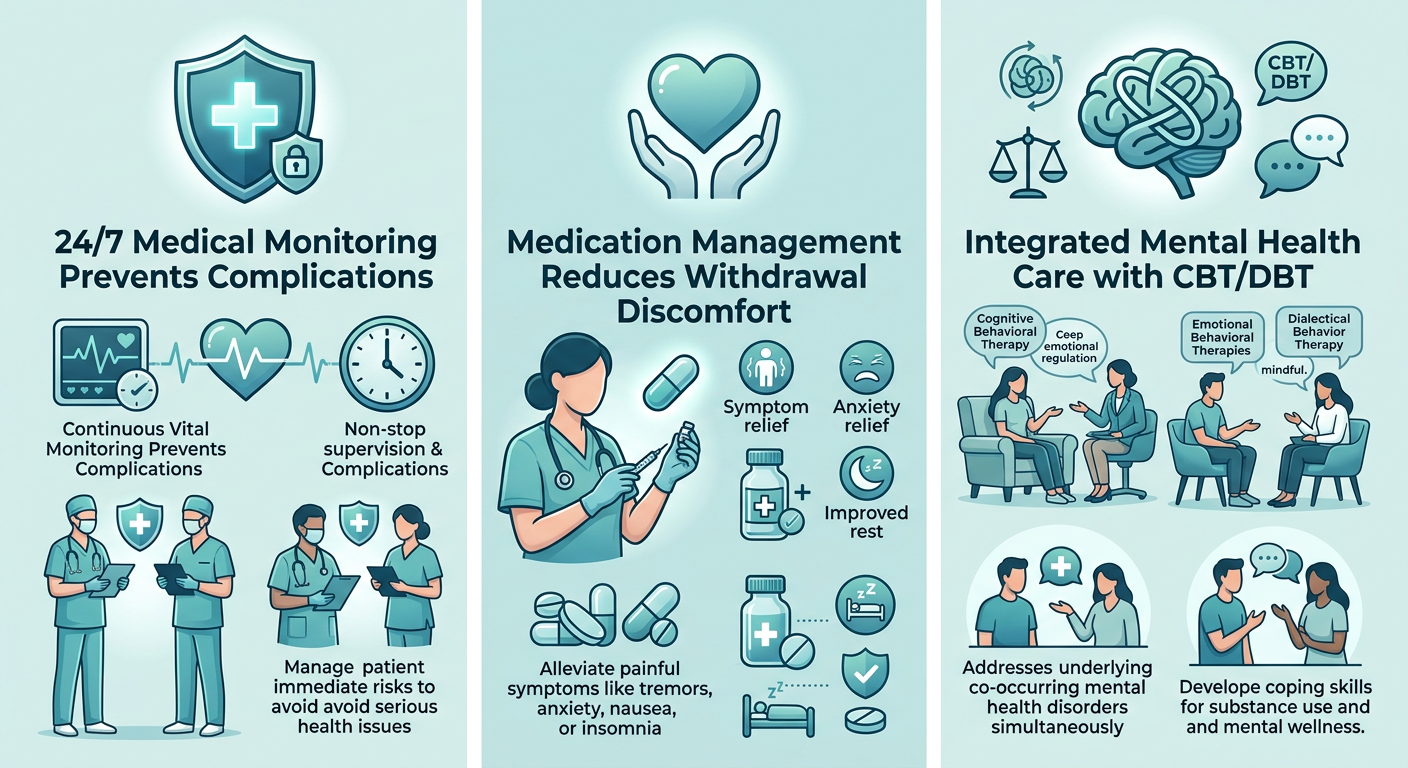
Choosing a medically supervised detox program is a critical first step toward recovery. For those seeking detox centers Connecticut has to offer, understanding the advantages of professional care can make the decision clear. Medical detox provides three essential benefits that create a safer, more comfortable, and more effective start to addiction treatment. These interconnected supports address not just the immediate physical challenges of withdrawal but also the underlying factors that influence lasting sobriety.
The following table summarizes the core benefits you can expect from a medically supervised detox program in Connecticut.
| Benefit Aspect | How It Helps | Why It Matters for Recovery |
|---|---|---|
| Safety & Medical Monitoring | 24/7 supervision, medication for withdrawal, vital sign checks | Reduces risk of severe withdrawal complications and provides immediate intervention if needed |
| Comfort & Withdrawal Management | Medications ease physical and psychological symptoms, creating a more tolerable detox experience | Increases likelihood of completing detox and transitioning to ongoing treatment |
| Dual-Diagnosis Integration | Co-occurring mental health conditions like anxiety, depression, or trauma are assessed and treated concurrently | Treats root causes of substance use, lowering relapse risk and improving long-term outcomes |
Table based on guidelines from the American Society of Addiction Medicine (ASAM) and best practices recommended by SAMHSA.
Safety Through Around-the-Clock Medical Care
Your safety is the most immediate concern during detox, as withdrawal can trigger severe and sometimes life-threatening complications. According to government-issued clinical guidelines from the Substance Abuse and Mental Health Services Administration (SAMHSA), medically managed withdrawal is essential for preventing serious events such as seizures, severe dehydration, and cardiac complications. For alcohol withdrawal, a specific risk is delirium tremens (DTs), a severe condition that can be fatal without prompt medical intervention.
In a Connecticut facility like EMEND New Haven, a dedicated clinical team–including physicians, registered nurses, and nurse practitioners–provides continuous monitoring. This team uses standardized protocols to manage your symptoms safely. For alcohol detox, the CIWA-Ar protocol (Clinical Institute Withdrawal Assessment for Alcohol) guides the careful administration of benzodiazepines, titrating the dosage precisely to your body’s needs. This level of specialized, attentive care is a hallmark of a quality new haven detox program and is simply not replicable in an unsupervised setting.
Greater Comfort and Higher Completion Rates
The physical and psychological symptoms of withdrawal can be intensely uncomfortable, often driving individuals to leave treatment prematurely. A primary goal of medical detox Connecticut programs offer is to manage these symptoms effectively, making your experience more tolerable and protecting your recovery timeline. The professional standard set by the American Society of Addiction Medicine (ASAM) supports the use of medications like clonidine for autonomic symptoms and buprenorphine or methadone for opioid withdrawal to ease suffering without compromising safety.
Beyond medication, comfort-focused protocols include proper hydration, nutritional support, and a quiet environment for rest. This combination of pharmacologic and non-pharmacologic support dramatically reduces the distress of detox. The result is a significantly higher completion rate; while unsupervised attempts often fall below 60% completion, medically assisted programs in structured environments consistently see over 90% of patients successfully finishing detox and transitioning to the next phase of care. When you are comfortable and supported, you are far more likely to stay the course and build momentum for lasting recovery.
Integrated Dual-Diagnosis Care for Lasting Recovery
An important advantage of an inpatient drug detox CT program provides is the immediate integration of mental health care. For many individuals, substance use is intertwined with co-occurring conditions like anxiety, depression, or the effects of trauma. Addressing one while ignoring the other is a common pitfall of less comprehensive programs. As a professional standard, ASAM guidelines emphasize that treating these conditions concurrently from day one leads to more robust, long-term recovery outcomes.
At facilities like EMEND New Haven, you don’t have to wait until detox is complete to begin this work. Evidence-based therapies such as Cognitive Behavioral Therapy (CBT) and Dialectical Behavior Therapy (DBT) are provided alongside medical care. For example, a patient undergoing withdrawal and managing a co-occurring panic disorder would receive the appropriate medication to safely manage their physical symptoms while also beginning CBT techniques to manage panic attacks in real time. This integrated approach doesn’t claim to cure mental illness, but rather manages symptoms and equips you with coping skills that treat a root cause of substance use, lowering the risk of relapse.
With these benefits in mind, let’s look at what a typical day in a Connecticut medical detox program involves.
Key benefits of medically supervised detox in Connecticut
How Medical Detox Works from Admission to Transition
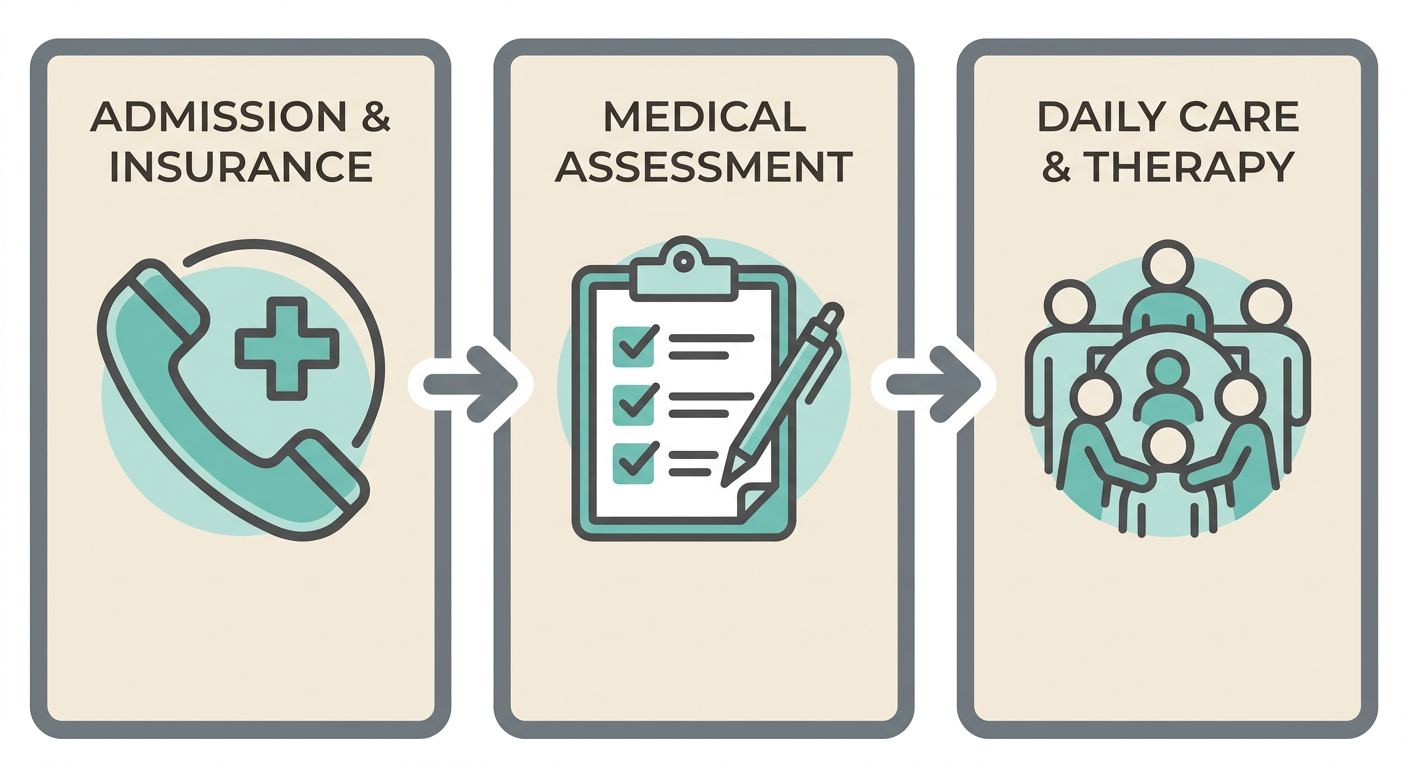
Entering a medical detox program can feel like a big step, and knowing exactly what to expect helps reduce uncertainty. When searching for detox centers Connecticut, you want a clear understanding of the process from the moment you make the first call through the transition to ongoing recovery. At our facility, the journey is broken into three distinct phases designed for safety, comfort, and personalized care.
Step 1: Admission and Insurance Verification
Your journey begins with a confidential phone call to our admissions team. A compassionate coordinator will conduct a brief pre-assessment over the phone to understand your immediate needs, substance use history, and any co-occurring mental health concerns. This conversation is private and allows the team to confirm that you are entering a structured medical detox program new haven trusts for safety and comfort.
Insurance verification happens during this same call. Admissions coordinators contact your insurance provider directly to verify benefits and explain your coverage. Most major payors cover detox in Connecticut, and we work with plans including CT Medicaid, Anthem, Cigna, and Aetna. The team handles all the benefits verification so you can focus on preparing for treatment rather than paperwork.
A common question is what to bring. We recommend packing your ID, insurance card, comfortable clothing for several days, and personal toiletries. Items to leave at home include valuables, any drugs or alcohol, and weapons. The facility will provide details during your pre-admission call to ensure you arrive prepared.
Step 2: Medical Assessment and Individualized Care Plan
Upon arrival at our New Haven facility, you complete a comprehensive medical intake. According to clinical guidelines from the Substance Abuse and Mental Health Services Administration (SAMHSA), medically supervised withdrawal should begin with a thorough assessment that includes vitals, blood work, a urine drug screen, and a psychiatric evaluation by a licensed clinician. This data gives the medical team a complete picture of your physical and psychological baseline.
With assessment results in hand, a multidisciplinary team–including a physician, registered nurse, and licensed clinical social worker–collaborates with you to develop an individualized care plan. This written document outlines medication protocols, therapeutic referrals, and personal goals for your stay. The plan is tailored to your specific needs, whether you require medication-assisted withdrawal management, dual-diagnosis support, or trauma-informed interventions. This is also the moment when the team begins discussing your next steps, and after detox, you may continue with a comprehensive new haven rehab program to build on early stabilization.
Medical detox admission and care process overview
Step 3: The Daily Experience of Medically Supervised Detox
Life inside an inpatient drug detox CT program follows a structured rhythm that promotes healing and stability. A typical day begins with morning medical rounds, where nursing staff check your vitals, assess withdrawal symptoms, and adjust medications as needed. Mid-morning is dedicated to group therapy, which incorporates cognitive behavioral therapy and dialectical behavior therapy techniques, as well as trauma-informed processing and coping skills training.
Afternoons often include individual counseling sessions, psychoeducation classes, or time for rest and reflection. Evenings bring peer support groups, where you can connect with others navigating similar challenges. Throughout the day, 24/7 nursing availability ensures that any discomfort or medical need receives an immediate response. This around-the-clock presence provides both physical safety and emotional reassurance during the detox process.
The dual-diagnosis groups weave in skills that address underlying mental health conditions alongside substance use, recognizing that lasting recovery requires treating the whole person. As detox stabilizes you medically, the clinical team prepares your transition to residential treatment or a next level of care, ensuring continuity and a clear plan for the work ahead.
Best Practices for Choosing and Preparing for Detox
Once you understand the types of detox available, it’s important to know how to choose the right center and prepare for admission. When evaluating detox centers in Connecticut, you want to ensure the facility follows established medical standards and can meet your specific needs. The right questions and preparation can make the entire process safer and more effective.
Key Questions to Ask a Connecticut Detox Center
Before committing to a program, call the admissions team and ask specific, pointed questions. A reputable center will answer these openly and completely.
- What credentials do the medical staff hold? The American Society of Addiction Medicine recommends that medically managed withdrawal be directed by a physician with specialized training. Verify that nurses and clinicians have addiction-specific certifications and that the center follows the ASAM levels of care for treatment planning.
- What substances do you treat, and are there any exclusions? Some facilities may not treat specific substance use disorders or may have protocols that exclude patients with certain medical histories. A thorough pre-admission assessment should clarify this.
- How are withdrawals managed? Ask about their medical protocols for monitoring vital signs and managing acute symptoms. Reputable programs, like those guided by the Substance Abuse and Mental Health Services Administration, use evidence-based medications and 24/7 medical supervision to ensure patient safety and comfort.
- How is aftercare planned before discharge? A quality program begins planning for the next level of care immediately. Request details on how they coordinate with residential treatment centers, outpatient providers, or sober living environments.
When evaluating a detox center new haven, you should also confirm that it is licensed by the Connecticut Department of Mental Health and Addiction Services. State licensing ensures the facility meets operational and clinical standards for providing medical detox in Connecticut.
Verifying Dual-Diagnosis Capabilities
For individuals with co-occurring mental health and substance use disorders, integrated treatment is a clinical necessity for long-term stability. You must verify that the center’s dual-diagnosis capabilities are genuine and comprehensive.
- Licensed Therapists: Confirm that the clinical team includes master’s-level or higher therapists specifically trained in Cognitive Behavioral Therapy, Dialectical Behavior Therapy, and trauma-informed care.
- Psychiatric Support: Ask if a psychiatrist is on staff or provides a regular consultation service. This is essential for managing, adjusting, or initiating mental health medications safely during the detox process.
- Integrated Treatment Plans: The care plan should address mental health symptoms and substance use simultaneously. A center that treats only the addiction while ignoring underlying depression, anxiety, or trauma does not provide a complete medical detox experience.
The Substance Abuse and Mental Health Services Administration emphasizes that untreated co-occurring conditions significantly increase the risk of relapse. A facility that cannot demonstrate this integrated capability should not be your first choice.
Preparing for Admission: What to Know and Bring
Once you have selected a center, preparing thoughtfully for admission reduces stress and allows you to focus entirely on your recovery. For those entering an inpatient drug detox in CT, proper preparation is key.
- What to Pack: Bring a valid photo ID, your health insurance card, and a complete list of current medications including dosages. Pack about a week’s worth of comfortable, seasonally appropriate clothing, including layers and slip-on shoes. Most centers permit books, personal journals, and basic, alcohol-free hygiene products.
- What to Leave Behind: Valuables like significant cash, expensive jewelry, and laptops are generally not allowed and are safer at home. Most facilities prohibit electronics with cameras, aerosol-based products, and any items containing alcohol as a primary ingredient. Check with admissions for their specific restricted-items list.
- Personal Affairs: Arrange for time away from work through the Family and Medical Leave Act or your employer’s leave policy. Notify a trusted family member or friend of your admission date and your commitment to this step. Involving your support system early helps build accountability.
- The Aftercare Plan: Before you even pack your bag, talk to the admissions team about what an inpatient drug detox stay leads to. Understanding the recommended next steps, whether residential treatment, a partial hospitalization program, or intensive outpatient therapy, provides a clear road map for the journey ahead.
Results may vary based on individual patient conditions and circumstances. Information on this site is for educational purposes and is not a substitute for professional medical advice.
With proper preparation and a solid aftercare plan, you can set the stage for long-term recovery.
Take the First Step Toward Recovery
Now that you understand how our programs integrate medically supervised detox and structured residential treatment, you may be wondering how to begin. Taking that first step toward recovery is a courageous act, and we are here to walk alongside you from the first phone call through long-term aftercare planning. At EMEND New Haven, we help adults access medical detox in Connecticut in a safe, medically supervised environment where withdrawal symptoms can be managed around the clock.
Our inpatient drug detox CT program provides 24/7 medical monitoring within a structured setting, giving patients the stability needed to focus entirely on their recovery. The Substance Abuse and Mental Health Services Administration (SAMHSA) emphasizes that quality treatment should be evidence-based and individualized, which is why every admission to our detox centers in Connecticut begins with a thorough clinical evaluation. This assessment allows our interdisciplinary team to create a personalized treatment plan that addresses co-occurring mental health conditions and any other medical needs you may have.
Reaching out to addiction treatment centers in Connecticut can feel overwhelming, but we strive to make the process straightforward. Our admissions team is available to answer your questions, listen to your concerns, and verify your insurance benefits so you can focus on what matter most: your health. You can call our detox centers Connecticut team directly or use our online insurance verification form to get started. With integrated dual-diagnosis care and a compassionate clinical staff, EMEND New Haven is ready to support you in building a foundation for lasting recovery.