
Connecticut Rehab
Table of Contents
Choosing the Right Rehab in Connecticut
Once you understand the types of programs available, the next step is narrowing your options. Choosing the right Connecticut rehab facility requires careful evaluation of several factors to ensure the program aligns with your personal recovery needs. The Substance Abuse and Mental Health Services Administration (SAMHSA) defines multiple levels of care, from medical detoxification to residential treatment and outpatient programs, and matching these offerings to the severity of your condition is a critical first step.
When evaluating a facility, confirm they offer proven approaches such as behavioral health treatment new haven. It is also essential to look for programs that address co-occurring mental health conditions through dual diagnosis treatment in Connecticut. A strong facility, such as one providing medically supervised detox in New Haven, should integrate evidence-based modalities like cognitive behavioral therapy (CBT) and dialectical behavior therapy (DBT).
Finally, there are practical checks every individual should make before committing to a program:
- Verify the facility is licensed by the State of Connecticut Department of Mental Health and Addiction Services (DMHAS) and accredited by a body like The Joint Commission or CARF.
- Ensure they provide a full continuum of care, including aftercare planning and alumni support, to support long-term recovery.
- Confirm the center accepts your insurance or offers admissions support to verify your benefits, allowing you to focus on your health.
Taking these steps ensures you find a program built on a foundation of clinical credibility and compassionate support.
Understanding Addiction Treatment Levels of Care in Connecticut
Choosing the right path to recovery can feel overwhelming, especially when faced with unfamiliar terminology and treatment options. To help you navigate your options, it’s important to understand the standard levels of care in addiction treatment. When exploring options for connecticut rehab, knowing the differences between medically supervised detox, residential treatment, and dual-diagnosis care empowers you to make informed decisions about your health. This section clarifies what each level entails and how they work together as a progressive continuum designed to support lasting recovery.
Medically Supervised Detox: The First Step
For many individuals, medically supervised detox is the critical first stage in the recovery process. For those beginning recovery, a new haven detox program provides 24/7 medical supervision to manage the physical and psychological symptoms of withdrawal in a safe environment. This short-term program, typically lasting 3 to 7 days, involves continuous monitoring of vital signs and the administration of medications to ease discomfort and prevent medical complications.
According to the Substance Abuse and Mental Health Services Administration (SAMHSA), medical detoxification is an essential intervention that stabilizes patients physically before they can effectively engage in therapeutic work. This initial stabilization is not a standalone cure but rather the necessary foundation upon which a comprehensive treatment plan is built. Successfully completing detox in New Haven prepares an individual for the deeper, more intensive psychological work that follows in residential care.
Residential Treatment: Structured Recovery
Once a person is medically stable, the next step in the continuum is often residential treatment. After detox, a new haven drug treatment program offers structured residential care within a supportive, live-in facility. These programs, which can run from 30 to 90 days depending on individual needs, provide a regimented daily schedule of activities designed to build a strong foundation for sobriety.
Residential programs immerse patients in a therapeutic community. The structured environment includes extensive individual and group therapy sessions where residents explore the root causes of their addiction. Beyond talk therapy, the experience focuses on practical recovery skills, such as managing stress, rebuilding relationships, and handling daily responsibilities without substance use. Peer support becomes a powerful tool in this setting as individuals connect with others at a similar stage in their connecticut rehab journey, learning together and holding one another accountable in a safe, substance-free space. Our team at EMEND New Haven works to create a structured daily routine that helps residents establish the healthy habits and coping mechanisms necessary for transitioning back into everyday life.
Dual-Diagnosis Treatment: Addressing Co-Occurring Conditions
For lasting recovery to be achievable, treatment must often address more than just the addiction itself. Many individuals seeking dual diagnosis treatment connecticut have a co-occurring mental health condition, such as depression, anxiety, or post-traumatic stress disorder (PTSD), that fuels the cycle of substance use. A dual-diagnosis program provides an integrated clinical approach that treats the substance use disorder and the mental health condition simultaneously within a unified treatment plan.
This integrated model is essential because treating one condition while ignoring the other significantly increases the risk of relapse. At facilities like EMEND New Haven, an interdisciplinary team of clinicians and case managers collaborates to develop a single, comprehensive pathway. This approach ensures that therapy sessions, medication management, and life-skills training all work together to address the interconnected nature of the patient’s challenges, rather than treating them as separate, unrelated problems.
Key Therapies: CBT, DBT, and Trauma-Informed Care
Dual-diagnosis programs rely on a set of proven, evidence-based therapeutic modalities to drive healing. Cognitive Behavioral Therapy (CBT) helps individuals identify and restructure the negative thought patterns that lead to self-destructive behaviors, teaching them to challenge and replace these thoughts with healthier, more constructive reactions. Dialectical Behavior Therapy (DBT) builds upon these skills with a focus on emotional regulation and distress tolerance, empowering a person to navigate intense feelings without turning to substances. Furthermore, trauma-informed care is a foundational framework that shapes the entire treatment environment, prioritizing physical and emotional safety, fostering trust, and empowering the individual by recognizing the pervasive impact of trauma on their mental health and addiction.
Once you understand these levels, you can explore which program fits your needs. Results may vary. This content is for educational purposes and does not replace professional medical advice. Consult a healthcare provider for personalized recommendations.
Benefits of Medically Supervised Detox and Residential Treatment
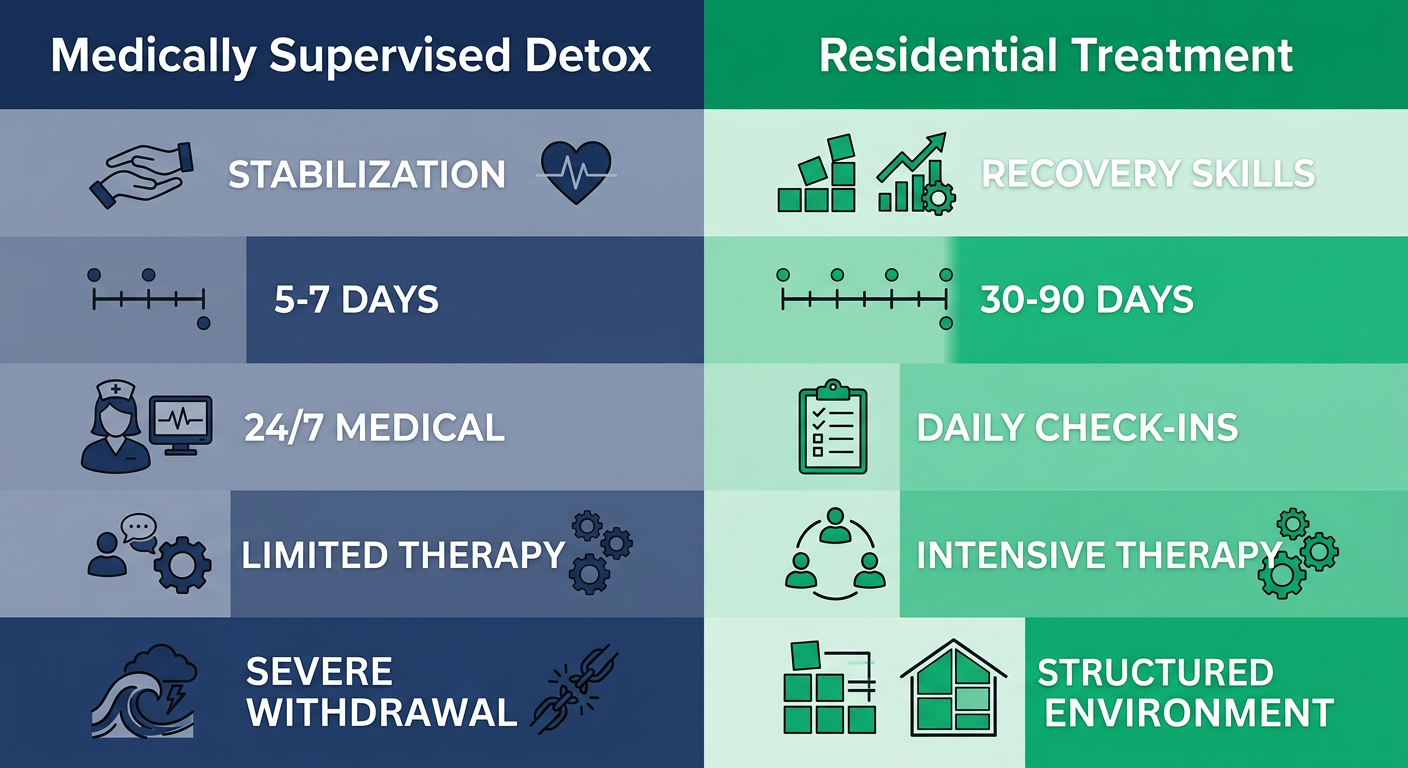
Beyond understanding what these programs entail, it is important to recognize their specific benefits. For individuals seeking a behavioral health treatment New Haven residents can trust, the journey typically begins with medically supervised detox before transitioning into residential care. According to the Substance Abuse and Mental Health Services Administration (SAMHSA), these levels of care serve distinct but complementary purposes, each offering critical advantages for early recovery. The table below highlights the key differences between medically supervised detox and residential treatment, helping you understand how these phases work together to build a foundation for lasting change.
| Feature | Medically Supervised Detox | Residential Treatment |
|---|---|---|
| Primary Goal | Stabilize withdrawal symptoms in a safe, monitored environment | Build foundational recovery skills through intensive therapy and structure |
| Typical Length of Stay | 5-7 days (varies by substance and severity) | 30-90 days (based on individual treatment plan) |
| Medical Supervision | 24/7 nursing and physician oversight; medication management for withdrawal | Daily medical check-ins; 24/7 nursing available but less intensive than detox |
| Therapy Focus | Stabilization and preparation for therapeutic work; limited group/individual therapy | Intensive individual and group therapy, psychoeducation, life skills training |
| Best Suited For | Individuals with significant physical dependence, risk of severe withdrawal, or co-occurring medical conditions | Individuals who need a structured environment away from triggers to develop early recovery skills |
While the table outlines structural differences, the real value of these programs lies in how they support the whole person. Medically supervised detox and residential treatment each contribute unique strengths that, when combined, create a powerful continuum of care. Understanding these benefits can help you determine which level of care is right for your situation.
Why Medical Detox Matters
Medical detox provides a safe and controlled environment where withdrawal symptoms are managed under 24/7 medical supervision. This level of oversight significantly reduces the risk of complications that can arise during withdrawal from substances such as alcohol, benzodiazepines, or opioids. Medication-assisted withdrawal eases physical discomfort, making the process more tolerable and allowing the body to stabilize before therapeutic work begins. For those seeking a medically supervised detox in New Haven, this approach also ensures a seamless handoff to residential treatment, as the clinical team can coordinate the transition while the patient is still under their care. Safety, comfort, and continuity are the defining advantages of starting recovery with professional detoxification.
The Value of Residential Care
Residential treatment offers an immersive, structured environment that removes individuals from the triggers and stressors of daily life. Within this setting, patients engage in intensive individual and group therapy, life skills training, and peer support networks that reinforce accountability and connection. The structured daily routine helps rebuild healthy habits and coping strategies that are essential for sustained recovery. A Connecticut rehab program with residential services also reduces the risk of early relapse by providing a supportive community and round-the-clock access to clinical staff during the most vulnerable phase of the recovery journey. This immersive approach creates a foundation that outpatient care alone cannot replicate.
Dual-Diagnosis: A Critical Advantage
Dual-diagnosis treatment addresses mental health and substance use disorders simultaneously, an approach that research consistently links to better long-term outcomes. When a dual diagnosis treatment in Connecticut program integrates both clinical pathways, patients avoid the fragmentation that occurs when these conditions are treated separately. Coordinated care teams develop unified treatment plans that address how symptoms of depression, anxiety, or trauma may drive substance use and vice versa. This integrated model improves treatment adherence and equips patients with skills to manage both conditions over time. By treating the whole person rather than isolated symptoms, dual-diagnosis care increases the likelihood of sustained recovery.
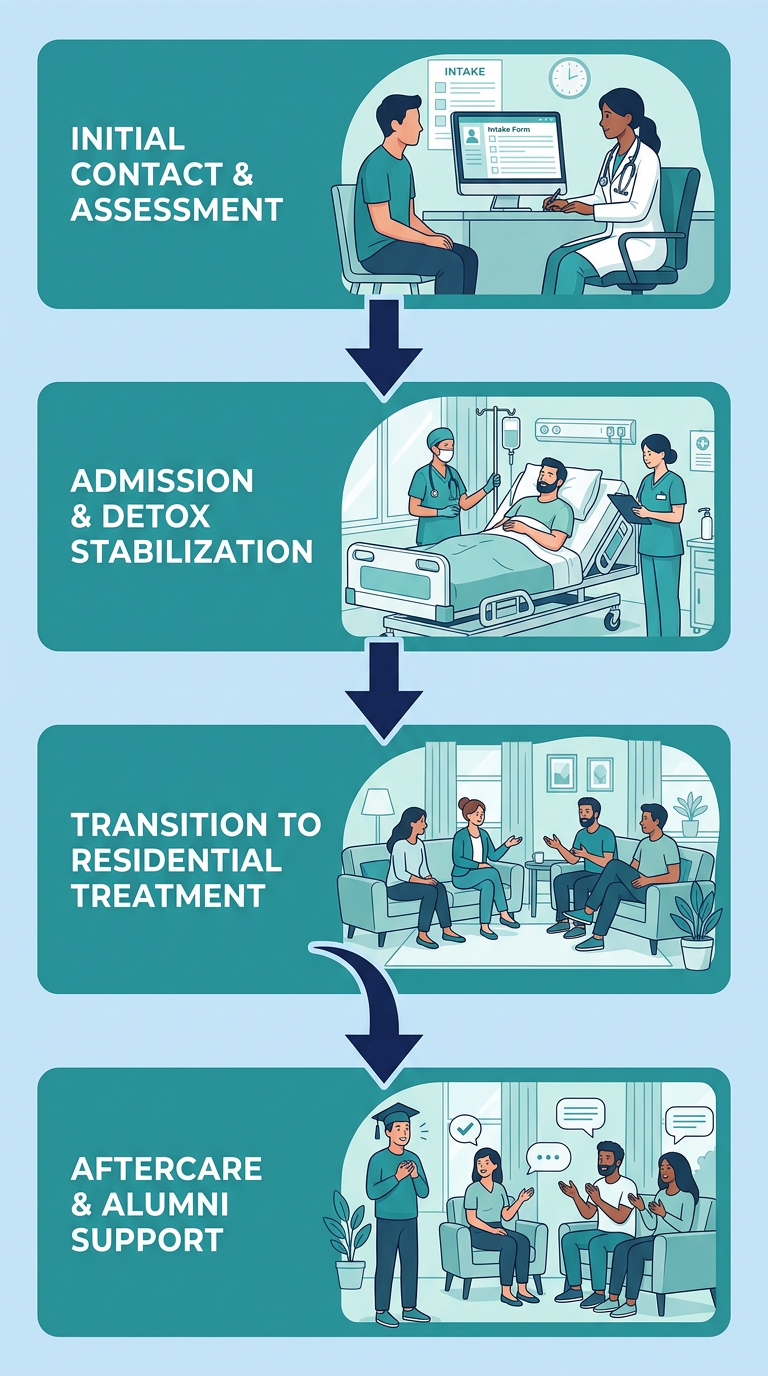
Four-stage rehab journey from assessment to residential care and aftercare
Comparison of detox and residential treatment programs
Please note that results may vary based on individual patient conditions and circumstances, and the information here is for educational purposes and is not a substitute for professional medical advice.
How a Connecticut Rehab Journey Works: From Assessment to Residential Care
When you begin a Connecticut rehab journey, the process is designed to be clear, supportive, and professional from the very first call. Exploring rehab centers in New Haven CT means looking for a facility that provides a structured step-by-step progression through assessment, medical stabilization, therapeutic immersion, and long-term aftercare. Please consult with a healthcare professional for diagnosis and personalized treatment recommendations.
Comparison of detox and residential treatment programs
Four-stage rehab journey from assessment to residential care and aftercare
Step 1: Initial Contact and Assessment
Your journey starts with a confidential, no-obligation phone call. During this initial contact, a trained admissions coordinator listens to your concerns and collects preliminary information. The process includes insurance benefits verification, so you understand your coverage before making any decisions. Following this, you will participate in a pre-admission clinical assessment conducted by a licensed clinician. This assessment evaluates your substance use history, mental health status, and medical needs to determine the appropriate level of care. According to the Substance Abuse and Mental Health Services Administration (SAMHSA), a thorough assessment is the critical first step in matching individuals to the right treatment intensity, whether that is medically supervised detoxification or residential treatment.
Step 2: Admission and Detox Stabilization
Upon admission for medical detox, you will complete a nursing intake that establishes your health baseline. The clinical team initiates FDA-approved medications–such as buprenorphine for opioid withdrawal or benzodiazepines for alcohol withdrawal–following protocols established by SAMHSA to manage discomfort and ensure safety. Throughout your stay, you receive 24/7 vital sign monitoring and nursing care in a controlled environment. It is important to understand that detox is medically supervised and is not a standalone treatment for substance use disorders; rather, it is the crucial stabilization phase that prepares you for the deeper therapeutic work ahead. The goal of medically supervised detox in New Haven is to help you achieve physical stability and mental clarity so you are ready to engage in residential treatment.
Step 3: Transition to Residential Treatment
The transition from detox to residential treatment is a seamless move within the same facility, eliminating the disruption of transferring to a new location. You begin an individualized therapy schedule that integrates individual therapy, group therapy, and psychoeducation sessions designed to address the root causes of addiction. For those with co-occurring mental health conditions, a dual diagnosis treatment in Connecticut approach is integrated into the clinical pathway, combining evidence-based modalities like cognitive behavioral therapy and trauma-informed care. Your progress is tracked from the start, with early milestones–such as completing your first week and actively engaging in peer process groups–recognized as meaningful steps in your recovery.
Step 4: Aftercare and Alumni Support
Aftercare planning is a collaborative process between you and your clinical team that begins well before your discharge date. Together, you will develop relapse prevention strategies and identify community resources that will sustain your sobriety. Alumni program options provide continued connection through monthly meetings and sober events, creating a supportive network that extends long after residential care ends. While the goal is lasting recovery, results may vary based on individual patient conditions and circumstances, and continued engagement is key to maintaining the progress you have achieved.
With a solid aftercare plan in place, individuals are well-prepared to maintain their sobriety long-term.
Best Practices for Choosing and Preparing for a Connecticut Rehab Program
Once you understand the types of programs available, follow these best practices to choose and prepare for the right one. When choosing a connecticut rehab program, careful planning and informed decision-making can help you feel confident and ready to begin treatment.
Match the Program to Your Needs
Verifying that a facility offers the right level of care is essential. If you are looking for New Haven drug treatment, verify that the program includes medically supervised detox and integrated, evidence-based therapies. If you require medically supervised detox, confirm the program provides 24/7 monitoring and support. For those with co-occurring mental health conditions, seeking dual diagnosis treatment Connecticut ensures integrated care that addresses both challenges simultaneously. Look for programs that use evidence-based therapies such as cognitive behavioral therapy, dialectical behavior therapy, and trauma-informed care.
According to the Substance Abuse and Mental Health Services Administration (SAMHSA), medication-assisted treatment using FDA-approved medications combined with counseling is an effective, evidence-based option for opioid, alcohol, and nicotine use disorders. Ask whether the facility incorporates these therapies into individualized treatment plans.
Verify Insurance Coverage Early
Contacting your insurance provider before admission is a critical step. Call the number on your insurance card and ask specifically about coverage for behavioral health and substance use treatment, including deductible amounts, copays, and any out-of-pocket maximums. Also reach out to the facility’s benefits verification team. They can coordinate with most major payors to explain what your plan covers and help streamline the admissions process, allowing you to focus on preparing for treatment rather than navigating billing concerns.
Prepare for Admission: What to Bring
Knowing what to pack can reduce anxiety on day one. Use this practical checklist to prepare:
- Comfortable, season-appropriate clothing (a week’s worth)
- Personal toiletries (unopened, alcohol-free products)
- A list of current medications with dosages
- Your insurance card and a photo ID
- Emergency contact information
- A notebook or journal for reflection
Leave behind valuables, large amounts of cash, electronics that connect to the internet, and any substances including alcohol or non-prescribed medications. Following these guidelines helps you transition smoothly into a structured residential setting.
Engage Fully During and After Treatment
Active participation is one of the strongest predictors of positive outcomes. Attend all scheduled therapy sessions, contribute to group activities, and build supportive relationships with both peers and clinical staff. After discharge, stay connected through alumni programs and aftercare resources. Continuing engagement with the recovery community reinforces the skills and connections built during treatment.
By carefully selecting a program that meets your needs, verifying insurance, preparing practically, and committing fully, you set the stage for a successful recovery journey. Remember that treatment outcomes vary based on individual circumstances, and personalized care is essential. Information on this site is for educational purposes and is not a substitute for professional medical advice.
Take the Next Step Toward Recovery in Connecticut
Choosing a connecticut rehab is a courageous first step, and the comprehensive services at EMEND New Haven are the foundation of lasting recovery. We provide evidence-based care that addresses the whole person, integrating medically supervised detox new haven with dual diagnosis treatment connecticut. For those facing co-occurring mental health challenges, our dual diagnosis care ensures both conditions are treated simultaneously under one clinical roof, creating a stable platform for healing. Beginning with 24/7 medically supervised detox, our team manages withdrawal safely and comfortably, setting the stage for deep therapeutic work. This integrated model is validated by federal guidance from the Substance Abuse and Mental Health Services Administration (SAMHSA), which confirms the effectiveness of combining medications with behavioral therapies for substance use disorders.
You do not have to navigate this alone. Our admissions team is ready to guide you through a confidential assessment and verify your insurance benefits, making the process as straightforward as possible. A single phone call or a brief web form submission is all it takes to start your journey. Contact us today to begin your recovery. By reaching out, you acknowledge and accept our terms of service addiction treatment. We believe in your capacity to heal, and from your first contact through every phase of care, our staff in New Haven is committed to providing the unwavering support and structure you need to move forward confidently.